The Speed Trap: Why AI Means Code Reviews Are More Important Than Ever
AI can write fifty lines of clean code in ten seconds, but code that looks finished is not the same as code that works. A new developer's perspective on why the real skill is shifting from writing code to reviewing it — and the habits that make working alongside AI safe.

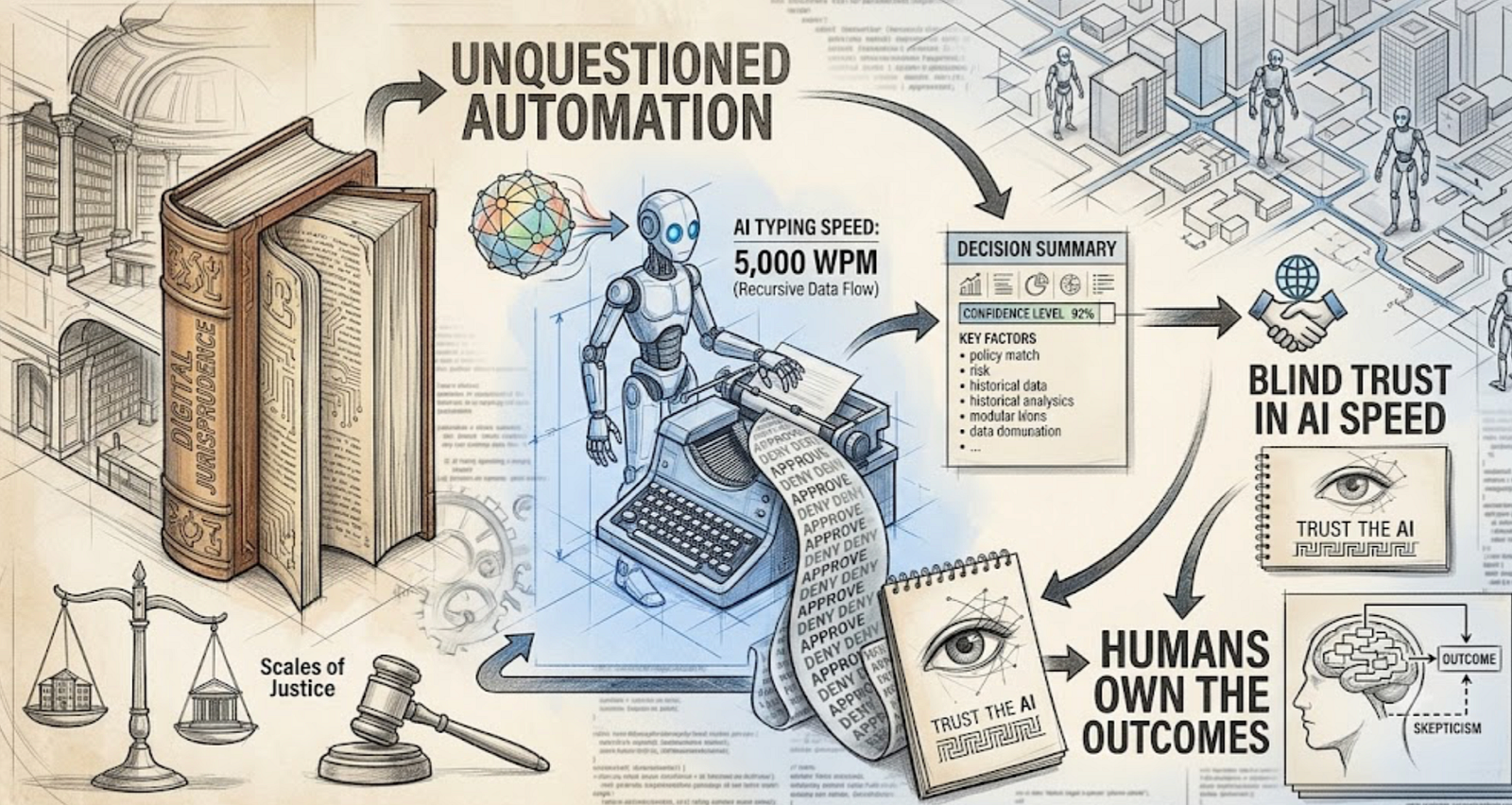
Everywhere I look online, people are talking about how fast AI can write code. Tools like ChatGPT can create whole functions and scripts in seconds. But as I enter the tech world as a new developer, I am realizing a hidden truth. Writing code quickly is not our biggest challenge anymore. The real challenge is understanding and fixing it when it breaks.
01 / The Speed Illusion
Looking finished vs. actually working
When I use AI to help me write code, it feels like a huge win. I type a prompt, and the AI spits out fifty lines of clean code in ten seconds. A task that would normally take a team an entire weekend of research and typing suddenly seems to be done in minutes.
But I found that the real problem starts when that code hits real-world data.
Because AI writes with absolute confidence, the code looks perfect on the outside. But since it wasn't written line by line, it's harder to understand how it worked under the hood. When a user types something unexpected and the app crashes, it is easy to run into a wall. What took the AI ten seconds to create can easily take an entire weekend to debug later on. The tool makes the first step fast, but I noticed it can force you to spend way more time fixing things later on.
02 / The Role Shift
Moving from "writers" to "editors"
I think this shift changes how people look at software engineering. In the past, it seemed like a lot of time was spent physically typing out lines of code from scratch.
But I am learning that typing code has never been the hardest part of the job. The slow part is reading through code, fixing bugs, and making sure all the pieces work together perfectly.
Instead of being pure "writers" who type out every single line, we are becoming "editors" and "critics."
AI is changing the everyday role of a software engineer. Because a machine can generate setup code instantly, I find that I can focus my energy on checking for gaps, questioning assumptions, and making sure the new software fits into the big picture.
03 / The Hidden Costs
The hidden costs of auto-generated code
When we rely too much on AI code without double-checking it, projects can quietly break down:
- The Copy-Paste Trap: I found it is really easy to trust AI code because it looks right and runs on the first try. However, I noticed that AI often misses small details or leaves out security features that protect user data. These mistakes are almost invisible at a glance.
- Messy Codebases: I think AI tools are great at solving small, isolated problems. But they do not understand the long-term goals of a company's software. Relying on them blindly creates a messy codebase that is hard to update in the future.
04 / Better Habits
What helped me build better habits
As I adapt to these tools, I think the most successful developers will not be the ones who generate code the fastest. They will be the ones who review it with the most care. Here are a few habits I found myself doing that really helped me work alongside AI safely:
- Explaining the Logic Out Loud: I found myself reviewing the AI-generated code and trying to explain exactly how it handles data before adding it to a project. If I cannot explain the logic, it will be harder for me to fix it when things break under pressure.
- Double-Checking the Logic: I realized it helps to treat AI-generated code with a bit of healthy skepticism. I started going through the code line by line, testing it with weird data inputs, and double-checking the math. Doing this manually helped me catch small hidden mistakes that looked totally fine at a first glance.
05 / What Actually Matters
Focusing on thinking, not typing
I think the true value of AI is not that it replaces human developers. It replaces the boring parts of the job, like typing out repetitive setup code. By letting AI handle the routine work, I find that developers can focus on what actually matters: solving big problems, keeping data secure, and designing great systems.
For new developers entering the workforce today, I think value will no longer be measured by typing speed. It will be measured by curiosity, careful thinking, and our ability to verify AI-generated code.
The Takeaway
AI makes the first draft of code fast. It does not make it right.
The developers who win will be the ones who review with care — curiosity, careful thinking, and verification over typing speed.
ANCI AI Research & Insights · 2026
Get AI scheduling insights, product news, and Bay Area community updates delivered to your inbox.
No spam. Unsubscribe anytime.