Who Is Responsible When AI Makes a Mistake?
AI cannot feel guilt or be held legally accountable — yet it now helps drive cars, diagnose patients, and approve loans. When it gets something wrong, the responsibility falls on the humans who built, deployed, and trusted it. Accountability cannot be automated.

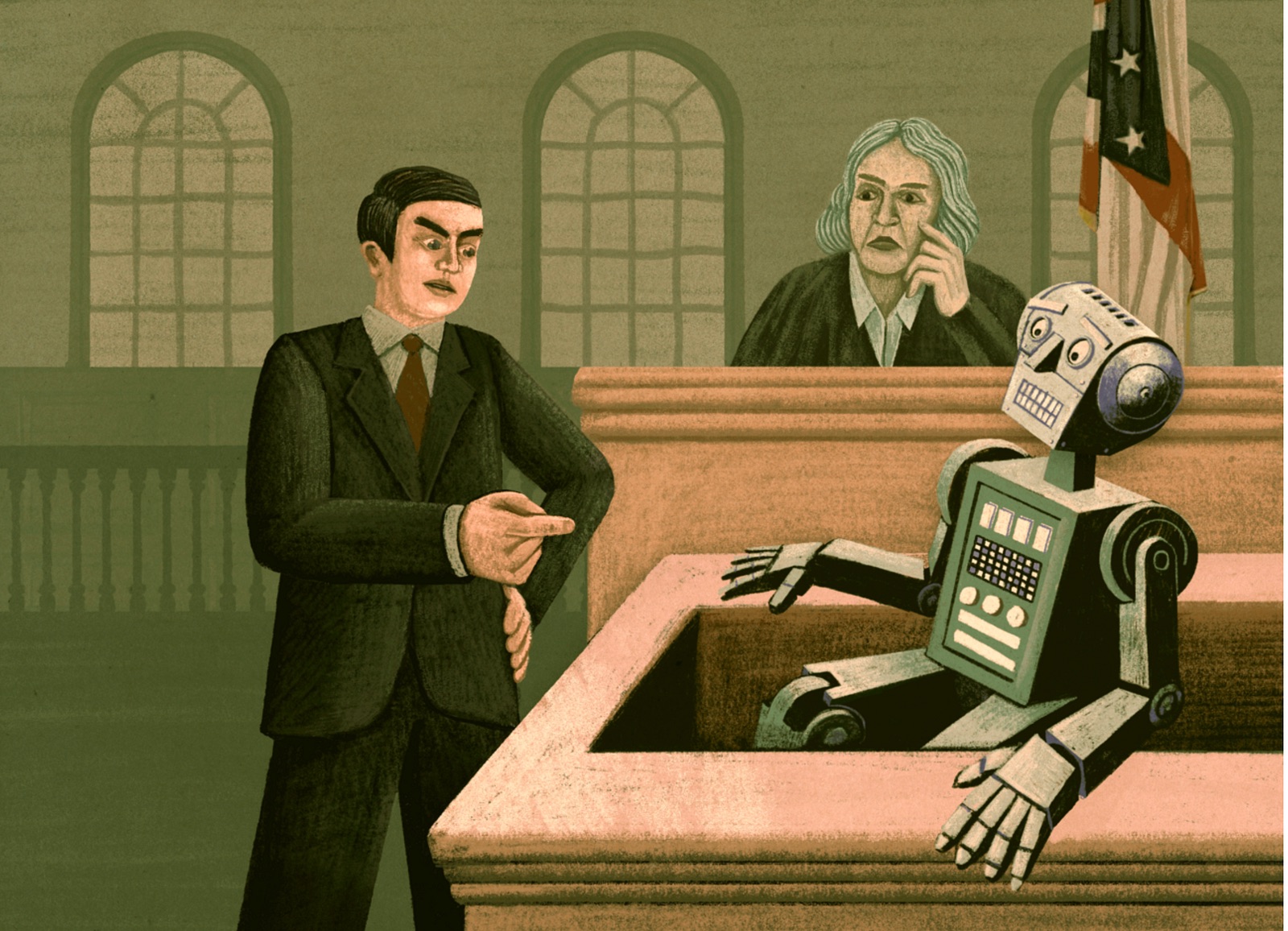
Artificial intelligence is becoming part of everyday life. It helps recommend what we watch, assists doctors in analyzing medical images, supports customer service, and is even being integrated into self-driving cars. As AI becomes more involved in important decisions, one question becomes impossible to ignore:
Who is responsible when AI gets something wrong?
At first, the answer seems obvious. The AI made the mistake, so it should be responsible. But AI is not a person. It cannot understand consequences, feel guilt, or be held legally accountable. Every AI system is designed, trained, and deployed by humans. That means when AI makes a mistake, the responsibility becomes much more complicated.
01 / The Human Behind the Machine
There is rarely one simple answer
Imagine a self-driving car misinterprets a traffic sign and causes an accident. Was it the fault of the software engineers who built the system? The company that released it? The owner of the vehicle? Or the person sitting behind the wheel who trusted the AI too much?
There is rarely one simple answer.
The same problem exists outside of self-driving cars. An AI system could recommend the wrong medical treatment, deny someone a loan because of biased data, or generate false information that spreads online. Even though the AI produced the output, people made the decisions that allowed it to be used in those situations.
Even if AI produces the mistake, it is people who decide where and how that technology is used. That makes accountability much more complicated than simply blaming the machine.
02 / When Confidence Becomes Risky
AI mistakes often do not look like mistakes
One reason AI mistakes can be dangerous is that they often do not look like mistakes. AI systems frequently present answers with confidence, even when the information is incomplete or incorrect.
Unlike a person, AI usually does not hesitate before answering. It does not naturally say, "I'm not sure," unless it has been specifically designed to recognize uncertainty.
That confidence can make it easy for people to assume the answer is correct.
I have noticed this while using AI myself. Sometimes it gives an explanation that seems perfectly reasonable until I check another source and realize parts of it are inaccurate. If I had accepted the answer without verifying it, I might never have known it was wrong.
03 / Responsibility Cannot Be Automated
Speed does not replace accountability
As AI continues to improve, it will likely make fewer mistakes. But even the most advanced systems will never be perfect.
Because of that, companies cannot simply point to AI when something goes wrong. If an organization chooses to rely on AI for important decisions, it should also be responsible for testing the system, monitoring its performance, and ensuring that humans remain involved when the stakes are high.
AI can process information faster than people, but speed does not replace accountability.
In many situations, the best approach is not to remove humans from the decision-making process. Instead, AI should support human judgment rather than replace it entirely.
04 / Moving Forward
The question is not whether AI will ever be perfect
The future of AI will depend not only on how intelligent these systems become, but also on how responsibly we use them.
As AI takes on larger roles in transportation, healthcare, education, and business, mistakes will inevitably happen. The real question is not whether AI will ever be perfect.
It is whether we are willing to accept responsibility for the technology we create.
After all, AI does not choose where it is used. Humans do.
The Takeaway
The real question is not whether AI will ever be perfect. It is whether we are willing to accept responsibility for the technology we create.
After all, AI does not choose where it is used. Humans do.
ANCI AI Research & Insights · 2026
Get AI scheduling insights, product news, and Bay Area community updates delivered to your inbox.
No spam. Unsubscribe anytime.