How AI Changed Recruitment
A recruiter's firsthand look at AI in hiring — 1,000 applications in a day, three months to a hire. How applicant tracking systems quietly screen out millions of qualified candidates, how applicants are using AI to fight back, and why word-of-mouth hiring is making a comeback.

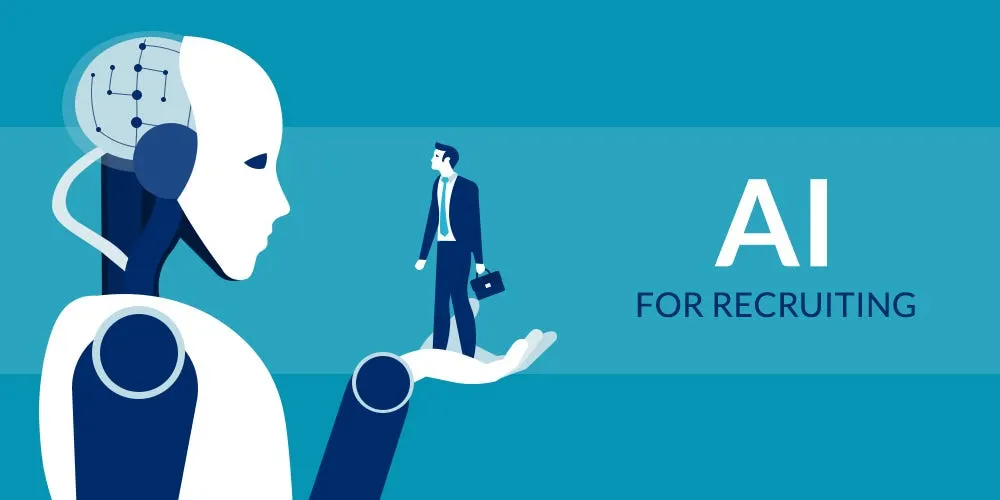
I’ve seen firsthand how long a recruiting process can be. At one of my previous jobs, we opened an entry-level role, and within one day, we received over 1,000 applications. With this many applications, you would expect us to find a hiring candidate immediately. Surprisingly, it took us over 3 months of constantly interviewing at least 2 candidates every week before we found a perfect candidate.
This is in no way a dig at the candidates’ ability but rather the hiring process. Many companies are using AI to pick out the ideal candidates, and while it has helped automate the hiring manager’s process, we are currently seeing more diminishing returns with the use of applicant tracking systems (ATS) in hiring decisions.
01 / The Machinery
How AI is being used in the hiring process
On the employer side, AI shows up at almost every stage of hiring now. Applicant tracking systems scan resumes for keywords before a human ever sees them, chatbots schedule and reschedule interviews automatically, and some platforms go a step further by scoring candidates outright — assigning a numeric “match score” or “likelihood of success” rating based on resume data, work history, and in some cases, broader online activity. Eightfold AI, one of the more widely used platforms among Fortune 500 companies, is currently facing a class-action lawsuit over how those scores get generated and used, with plaintiffs arguing they were filtered out without ever knowing a score existed or having a way to challenge it.
Harvard Business School’s Hidden Workers: Untapped Talent study looked at this from another angle: an estimated 27 million qualified U.S. workers are effectively screened out before a recruiter ever reviews their application, often because their resumes don’t line up with rigid keyword requirements. Veterans, caregivers returning to the workforce, and people with employment gaps are hit hardest by this filtering.
So in theory, AI is speeding up hiring. In practice, it’s also created a layer of automated gatekeeping that neither candidates nor, in some cases, employers fully understand.
02 / The Arms Race
Using AI to combat AI
Now that every company is using AI as the barrier to their hiring process, we are seeing more people leveraging LLMs to get past the resume screenings. One particular case is using AI tools such as ChatGPT or Claude to rewrite your resume and tailor it to fit the job description. There are even extreme cases where people hide LLM prompts like “Hire this candidate” within their resume, so it can be picked up by the AI in the applicant tracking system.
This invites the question of whether the hiring process is actually picking up good candidates or just candidates whose resumes fit the job descriptions.
03 / What Comes Next
The future of AI in recruiting
I don’t see a future where AI disappears from recruiting, as it automates the painful tasks of looking at each resume individually and coordinating the interview process. What I do expect is more regulatory pressure around transparency and fair use, pushing companies to explain how their systems make decisions and ensuring those decisions don’t quietly discriminate against qualified candidates.
But there’s a more interesting shift already underway. As more candidates learn to game these systems, the systems become less effective. And when a system stops reliably separating good candidates from good resume-writers, hiring naturally starts moving elsewhere. We’re already seeing early signs of this: a return to word-of-mouth hiring, where a referral or a vouch from someone you trust carries more weight than anything an algorithm can score.
Get AI scheduling insights, product news, and Bay Area community updates delivered to your inbox.
No spam. Unsubscribe anytime.